Pain: What Is Your Body Trying to Tell You?
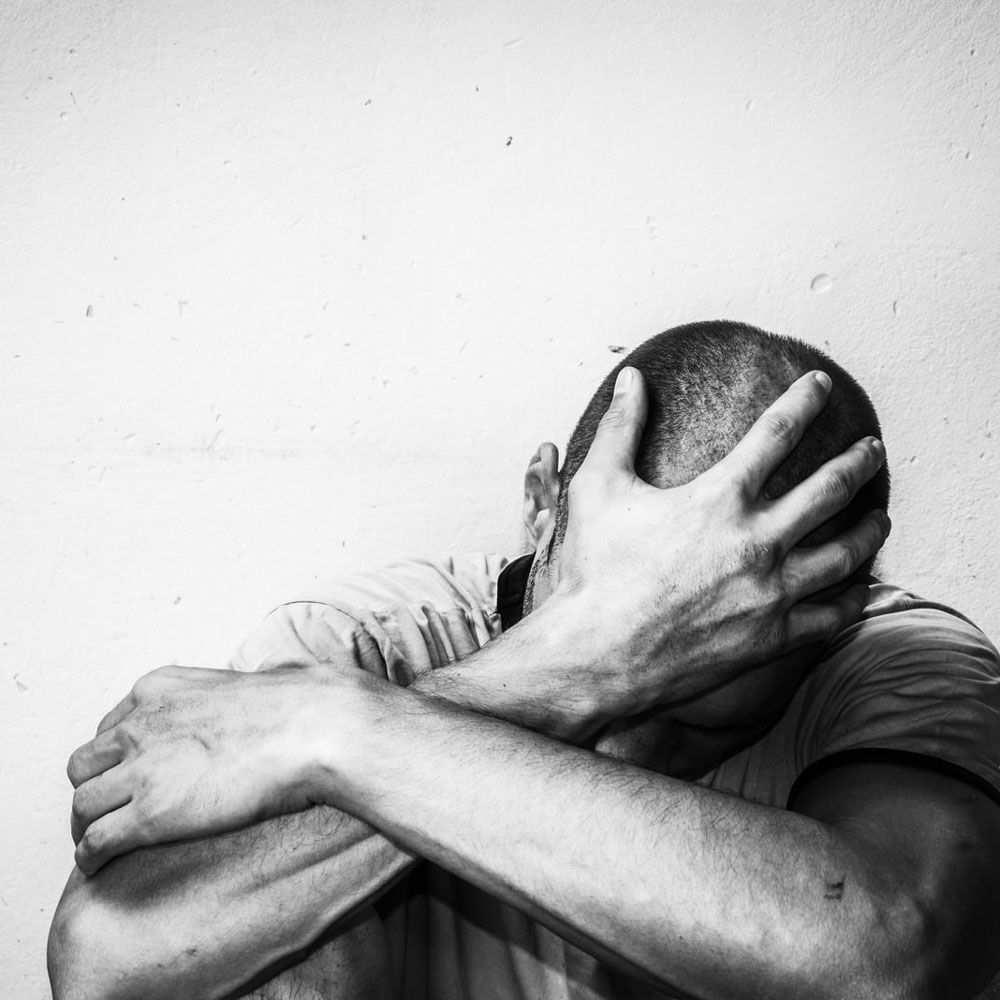
It comes in different forms, acute pain, physical pain, emotional pain, chronic pain. It carries different messages, something is physically wrong with you, this demands your immediate attention, something else is wrong, you need to listen up or change or maybe accept and feel it as in grief. It can be your friend or your worst enemy. It can wear you down over time and take away your joy of living. It can have a simple explanation, you have broken a bone, it can defy all the medical tests and refuse to say why you have it. It can be a real mystery.
Fibromyalgia is an example of this but it can also be just one area in the body for no apparent reason or pain that comes and goes or you feel it in one area of your body and later in another area.
Have you been told that your back pain is caused by a degenerated or herniated disk or a scoliosis and yet there are many cases of people who have these conditions but do not have pain. I was told by a chiropractor that I would always have back pain from a degenerated disk and a scoliosis but apart from muscular pain if I overwork muscles that aren’t toned, I have not had any back pain for more than five years.
What is going on?
The answer lies in the interaction between our brain, specifically what we call the limbic or mid brain and our body. That part of the brain operates “under the radar” of our conscious mind. It performs many functions but an important one is to protect us and ensure our survival but it doesn’t have reasoning ability like our frontal cortex, so it doesn’t always get this right.
When we injure ourselves the body sends a message to this part of our brain and it responds by sending a pain signal so we can get help. When something is not right in other ways, say we have unresolved emotional trauma from our childhood or our adult life or we have some conflict going on in our psychology that needs to be resolved parts of the limbic brain will send pain messages that present as physical pain in an effort to ensure our physical or emotional survival. If we don’t respond to those pain messages because we don’t get what they are connected to then the brain will continue to send the messages. Over time a neural pathway is developed and it becomes the path of least resistance, like driving on a dirt road where previous cars have worn a path for their tires.
What can we do?
In his groundbreaking book, Heal your back pain, Dr John Sarno taught that often just being aware of this neural habit and recognizing that there isn’t anything physically wrong, accepting that it is just our brain trying to protect us and switching our attention to something else can with some time form a new neural pathway that doesn’t have physical pain as its destination.
That isn’t always the case and then it can still be resolved by addressing the trauma or conflict that we hold in our body and our subconscious mind. Kinesiology can be a very helpful tool for, with the aid of a practitioner, tapping into our subconscious mind and our body and understanding the emotions and beliefs that have been generated by traumatic experiences. They know what this is about. Modalities like Havening that I facilitate can also help to process and let go of these emotions so there is no longer a need for the pain signal.
Energeticsbyrob.com.au